
What Is Interstitial Lung Disease (ILD)?
Interstitial Lung Disease (ILD) refers to a group of lung disorders that cause inflammation and scarring (fibrosis) of lung tissue. This scarring makes it difficult for oxygen to pass into the bloodstream, leading to breathlessness and reduced lung capacity.
Early diagnosis and structured management are important to slow disease progression.
At Chest & Sleep Center, Nashik, ILD evaluation and management is provided under the care of Dr. Abhinandan Mutha, pulmonologist specializing in complex respiratory diseases.
Prevalence & Classification
Research on ILD prevalence is complex, as many cases lack a specific diagnosis. However, it is estimated that Idiopathic Pulmonary Fibrosis (IPF) and Sarcoidosis together account for around 50% of ILD cases.
ILDs are typically classified into:
Diseases with a known cause
Diseases with unknown origin
Common Symptoms of ILD
Patients with ILD may experience:
- Progressive breathlessness
- Persistent dry cough
- Fatigue
- Reduced exercise tolerance
- Unexplained weight loss (in some cases)
Symptoms often develop gradually and may be mistaken for other respiratory conditions.
Patients with chronic smoking-related lung damage may also have overlapping conditions such as COPD.
Causes of ILD
Only about 1 in 3 ILD cases has a known cause. The disease often results from a combination of genetics and environmental factors. Key causes include:
Environmental or Occupational Exposure:
Pneumoconiosis: Due to inhalation of harmful particles like:
Silica dust (Silicosis)
Coal dust (Coal Worker’s Pneumoconiosis)
Asbestos (Asbestosis)
Organic Allergens:
Extrinsic Allergic Alveolitis: Triggered by inhaled organic agents like:
Mouldy hay (Farmer’s Lung)
Bird droppings/feathers (Bird Fancier’s Lung)
Drug-Induced ILD:
Certain medications can lead to ILD, including:
Amiodarone – for arrhythmia
Bleomycin – a chemotherapy drug
Methotrexate – used for arthritis
Nitrofurantoin – for UTIs
When Should You Consult a Pulmonologist for ILD?
You should consult a pulmonologist if you experience unexplained breathlessness, chronic dry cough, or abnormal findings on chest imaging. Early specialist evaluation helps determine the type of ILD and initiate appropriate treatment to prevent worsening lung scarring.
How Dr. Abhinandan Mutha Evaluates ILD Patients
At Chest & Sleep Center, Dr. Abhinandan Mutha follows a systematic approach that includes:
- Detailed clinical history and exposure assessment
- Pulmonary Function Testing (PFT)
- High-resolution CT (HRCT) chest imaging
- Oxygen level monitoring
- Autoimmune screening (if required)
The goal is accurate diagnosis, classification of ILD type, and individualized management planning.
Prevention of ILD
Prevention is possible only when the cause is known. The best method is to avoid exposure to known environmental or occupational risk factors.
In the future, experts hope to identify genetic markers to predict ILD risk and tailor prevention strategies individually.
Diagnostic Tests & Investigations
Essential ILD investigations include:
Chest X-rays and High-Resolution CT (HRCT) Scans: Reveal patterns like:
Fine nodules
Net-like haziness
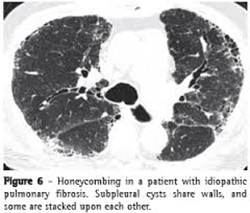
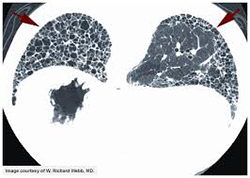
‘Honeycombing’ in advanced fibrosis
Lung Function Tests:
Diffusion Capacity Testing
6-Minute Walk Test (6MWT)
Oxygen Saturation
Lung Biopsy:
Sometimes required for accurate diagnosis, though less common now due to advanced imaging techniques.
ILD Treatment Options
Treatment depends on the ILD type and disease progression:
Anti-fibrotic drugs and anti-inflammatory medications are commonly used.
More effective in sarcoidosis, hypersensitivity pneumonitis, and rare ILDs.
Limited effect in idiopathic pulmonary fibrosis (IPF).
Oxygen therapy and pulmonary rehabilitation may be needed in advanced stages.
Lung transplantation is considered when ILD progresses despite treatment.
ILD Prognosis & Survival
Survival rates vary by ILD type:
Idiopathic Pulmonary Fibrosis: ~20% survive beyond 5 years post-diagnosis
Sarcoidosis / Hypersensitivity Pneumonitis: 80–100% 5-year survival
Treatment Options for ILD
Treatment depends on ILD type and severity. Management may include:
- Anti-fibrotic medications (in selected cases)
- Steroid or immunosuppressive therapy
- Oxygen therapy (if required)
- Pulmonary rehabilitation
- Regular disease monitoring
Early intervention can help slow progression and improve breathing comfort.
Why Choose Chest & Sleep Center for ILD Treatment in Nashik?
Chest & Sleep Center provides structured evaluation for complex respiratory conditions. Under the care of Dr. Abhinandan Mutha, ILD patients receive personalized treatment planning with focus on disease stabilization and long-term follow-up.