
What Is Pulmonary Tuberculosis (TB)?
Tuberculosis (TB) is an infectious lung disease caused by Mycobacterium tuberculosis. It primarily affects the lungs (pulmonary TB) and spreads through airborne droplets when an infected person coughs or sneezes.
With early diagnosis and proper treatment, TB is curable and manageable.
At Chest & Sleep Center, Nashik, TB diagnosis and treatment is provided under the care of Dr. Abhinandan Mutha, pulmonologist experienced in infectious and chronic lung diseases.
Causes of Pulmonary TB
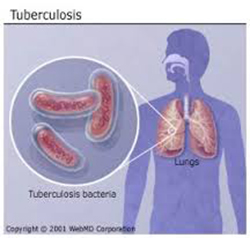
Pulmonary tuberculosis (TB) is caused by the bacterium Mycobacterium tuberculosis (M. tuberculosis). TB is contagious, meaning it can spread easily from one person to another through air droplets expelled by coughing or sneezing.
Most people recover from primary TB infection without symptoms. However, the infection can stay dormant and reactivate later. Some individuals may develop symptoms shortly after their initial infection.
Some lung scarring patterns may resemble interstitial lung disease (ILD).
Who is at Risk?
People at higher risk of active TB or reactivation include:
Elderly individuals
Infants
Those with weakened immune systems (e.g., HIV/AIDS, chemotherapy, diabetes)
Risk also increases in people who:
Live in crowded or poor conditions
Have poor nutrition
Are exposed to TB during travel
Encounter drug-resistant TB strains
Live in areas with rising HIV or homelessness
Symptoms of Pulmonary TB
Pulmonary TB often causes no symptoms in its primary stage. When symptoms develop, they may include:
Persistent cough (often with mucus)
Coughing up blood
Night sweats
Fatigue and fever
Chest pain and breathlessness
Weight loss and wheezing
Chronic lung damage conditions such as COPD may coexist with TB in smokers.
When Should You See a TB Specialist?
You should consult a pulmonologist if you have prolonged cough, unexplained fever, or abnormal chest X-ray findings. Early specialist care helps confirm diagnosis and start anti-tubercular therapy promptly to prevent complications and spread.
TB Evaluation by Dr. Abhinandan Mutha
At Chest & Sleep Center, TB assessment includes:
- Clinical symptom evaluation
- Chest imaging (X-ray or CT)
- Sputum examination for TB bacteria
- Molecular TB testing (GeneXpert)
- Lung function assessment if needed
Accurate diagnosis helps determine pulmonary TB type and severity.
Examination and Diagnosis
A healthcare provider may detect:
Clubbing of fingers/toes
Swollen lymph nodes
Fluid around the lungs
Crackling breath sounds
Common diagnostic tests include:
Sputum exam and culture
Chest X-ray and CT scan
Bronchoscopy
Tuberculin skin test (PPD)
Interferon-gamma blood tests (e.g., QFT-Gold)
Thoracentesis
Tissue biopsy (rarely)
TB Treatment Plan
The goal of treatment is to cure the infection with a combination of medications. Patients typically take multiple medicines for 9 months or more, depending on which are most effective.
It is critical to follow the treatment plan as instructed to avoid drug resistance. In some cases, Directly Observed Therapy (DOT) is used, where a provider monitors the patient taking medication regularly.
Prognosis
Most patients see symptom improvement within 2–3 weeks of starting treatment. Full recovery is highly likely if TB is diagnosed early and treated effectively.
Possible Complications
Without treatment, pulmonary TB can lead to:
Permanent lung damage
Spread to other organs
Side effects from TB medications may include:
Vision changes
Discolored tears or urine
Liver inflammation
Rash
A vision test may be conducted before starting treatment to track any changes.
When to Contact a Doctor
You should see a doctor if:
You’ve been exposed to TB
You show TB symptoms
Symptoms persist despite treatment
New symptoms arise
TB Prevention
TB is preventable, even after exposure. Steps include:
Regular skin testing for high-risk individuals
Immediate and follow-up testing for those exposed
Prompt treatment of active TB cases
Some countries use the BCG vaccine for prevention, although its effectiveness is limited.
TB Treatment in Nashik
Pulmonary TB is treated with anti-tubercular therapy (ATT), usually given for 6 months or longer depending on disease type.
Treatment includes:
- Standard anti-TB medications
- Regular monitoring
- Adherence counseling
- Follow-up imaging
With proper treatment completion, TB is curable.
Why Choose Chest & Sleep Center for TB Treatment?
Chest & Sleep Center provides structured TB diagnosis and monitoring. Under the care of Dr. Abhinandan Mutha, patients receive guideline-based therapy, treatment supervision, and follow-up evaluation to ensure recovery and prevent relapse.